
CLIENT PROJECT • GAME UX/UI DESIGN
First-Person Shooter | HUD Redesign
Redesigning a dynamic player HUD to improve gameplay readability, visual consistency, and player feedback while preserving the immersive atmosphere of a horror FPS.

Role
Platform
Project Type
Software
Game UX/UI Designer
PC
Paid Client Work
Figma / Photoshop


01. PROJECT OVERVIEW
Malignant is a first-person horror shooter featuring human and mutated combat forms. I was commissioned to redesign the game's existing heads-up display (HUD), with the goal of creating a cleaner, more intuitive interface that complemented its dark atmosphere.
The initial phase focused on the human-form HUD, which displays essential gameplay information such as health, ammunition, abilities, and mutation charge. The interface also needed to communicate when the player was ready to transform.
Working directly with the client, I refined the design through feedback and revisions until the final human-form HUD was approved and delivered for implementation.
Deliverable: Completed and client-approved human-form HUD design and supporting UI assets.

Improve
Readability


Enhance
Player Feedback

Maintain
Horror Atmosphere

02. THE CHALLENGE
Improving Readability Without Sacrificing Atmosphere
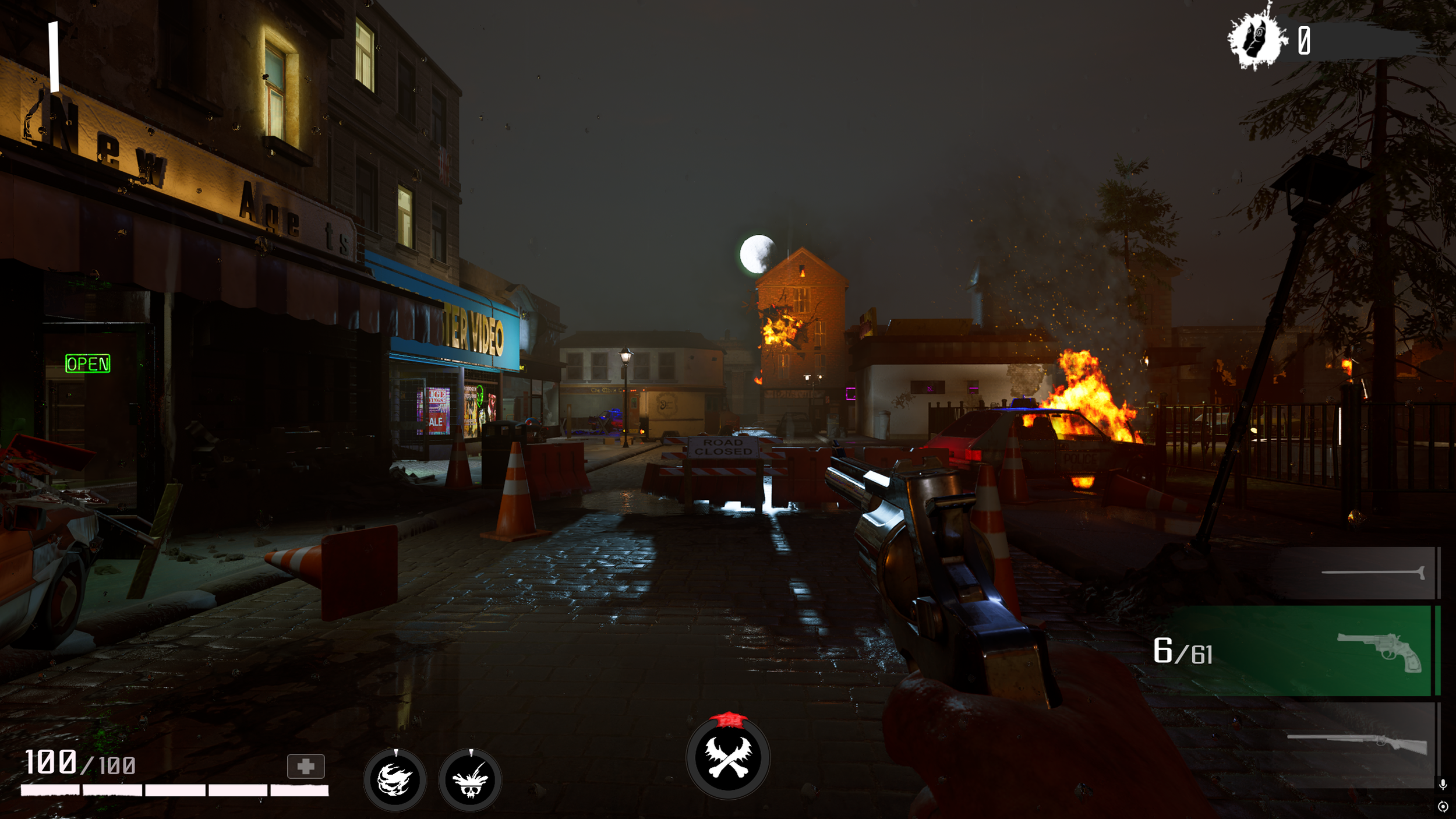
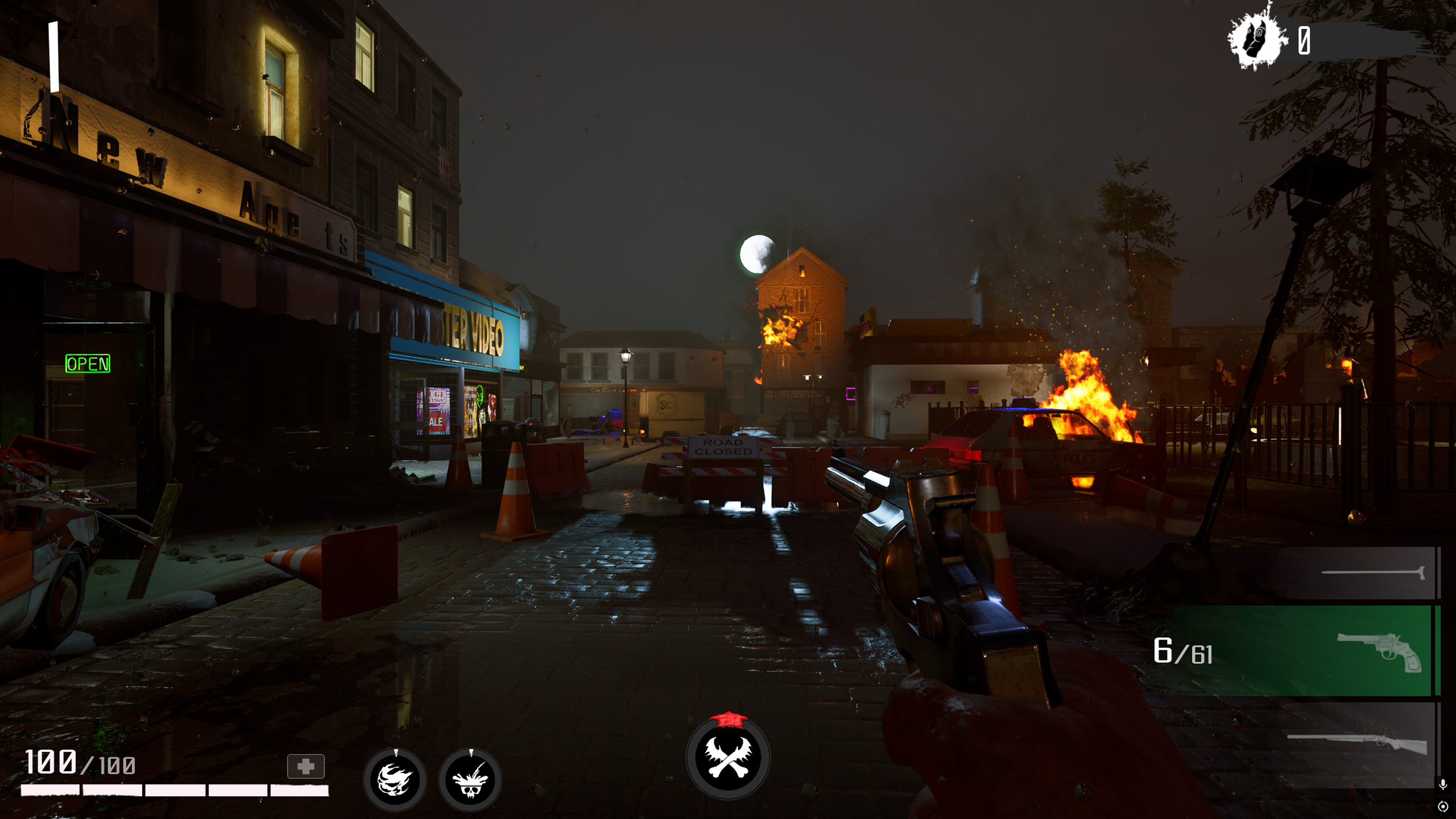
Malignant's HUD presents several pieces of information simultaneously, including player health, ammunition, equipped weapons, mutations, mutation charge, round progression, and score.
The challenge was to reorganize and refine these elements into a more cohesive interface while maintaining the game's dark visual identity.
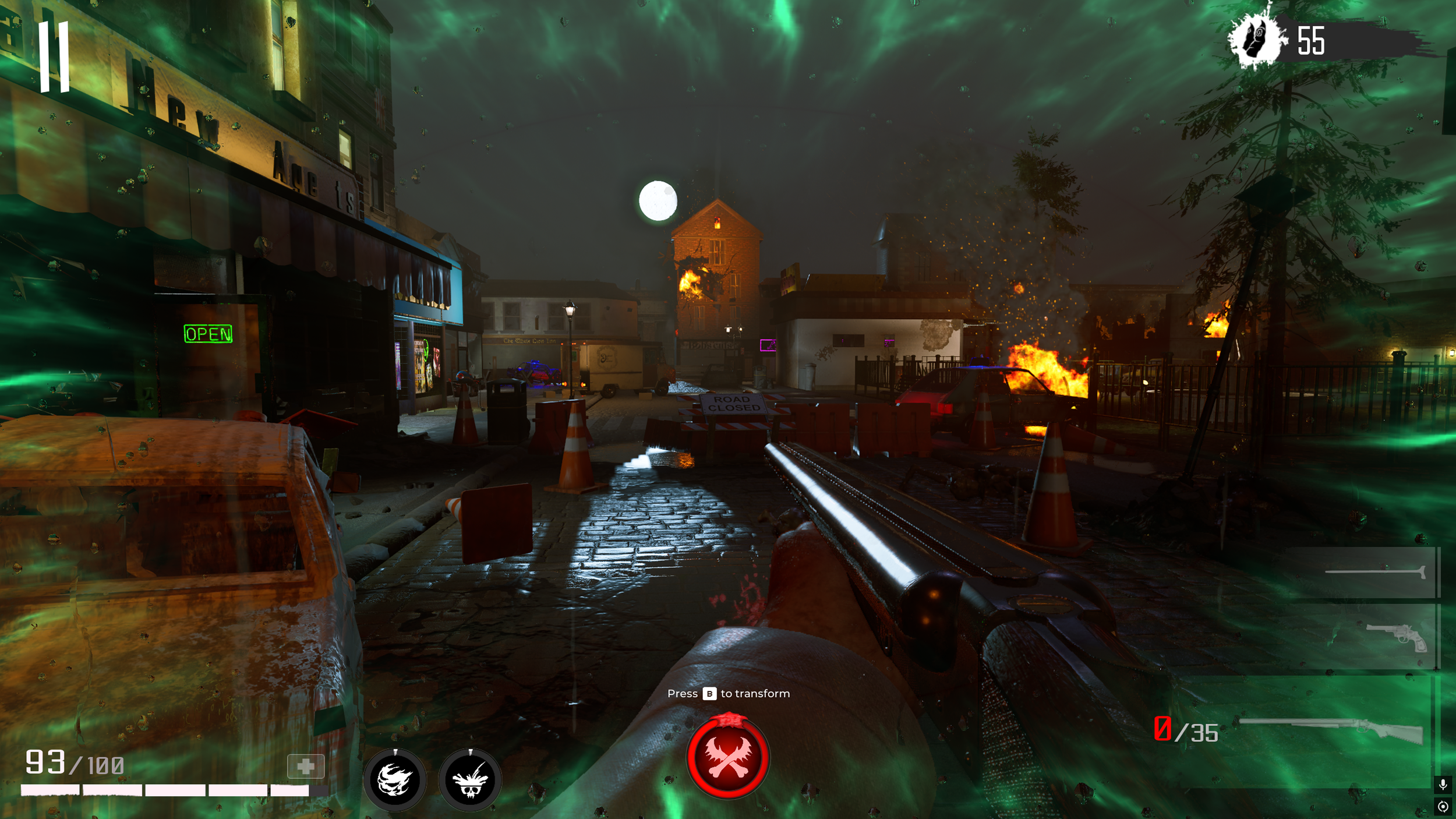
An additional consideration was how the HUD communicated changing gameplay states, particularly when the player's mutation charge was full and transformation became available.
Key Design Priorities
Visual Hierarchy: Make essential information easy to identify during gameplay.
Consistency: Establish a unified visual language across HUD elements.
Player Feedback: Clearly communicate changes in player status and mutation readiness.
Immersion: Preserve the game's horror atmosphere without unnecessarily obstructing the player's view.
Original human-form HUD displaying player health, ammunition, equipped weapons, mutations, mutation charge, round progression, and score.
03. DESIGN PROCESS
From Exploration to Final Approval
My design process began by reviewing the client's concerns with the existing HUD and analyzing visual references that aligned with their desired direction.
I developed two distinct concepts, allowing the client to evaluate different approaches before selecting a preferred layout. From there, I refined the chosen design through multiple rounds of feedback, ultimately delivering a completed human-form HUD that received client approval.
Initial Exploration
The client wanted to move away from the existing HUD's mobile-game-like appearance toward a more refined interface suited to a PC horror shooter. They referenced Call of Duty: Infinite Warfare Zombies as inspiration, particularly its HUD layout and placement of circular ability indicators.
Using this reference as a starting point, I developed two distinct HUD concepts that explored different approaches to information hierarchy, layout, and visual presentation.
After reviewing both concepts, the client strongly preferred the direction inspired by Infinite Warfare Zombies, praising its overall appearance. This concept was selected as the foundation for further refinement.
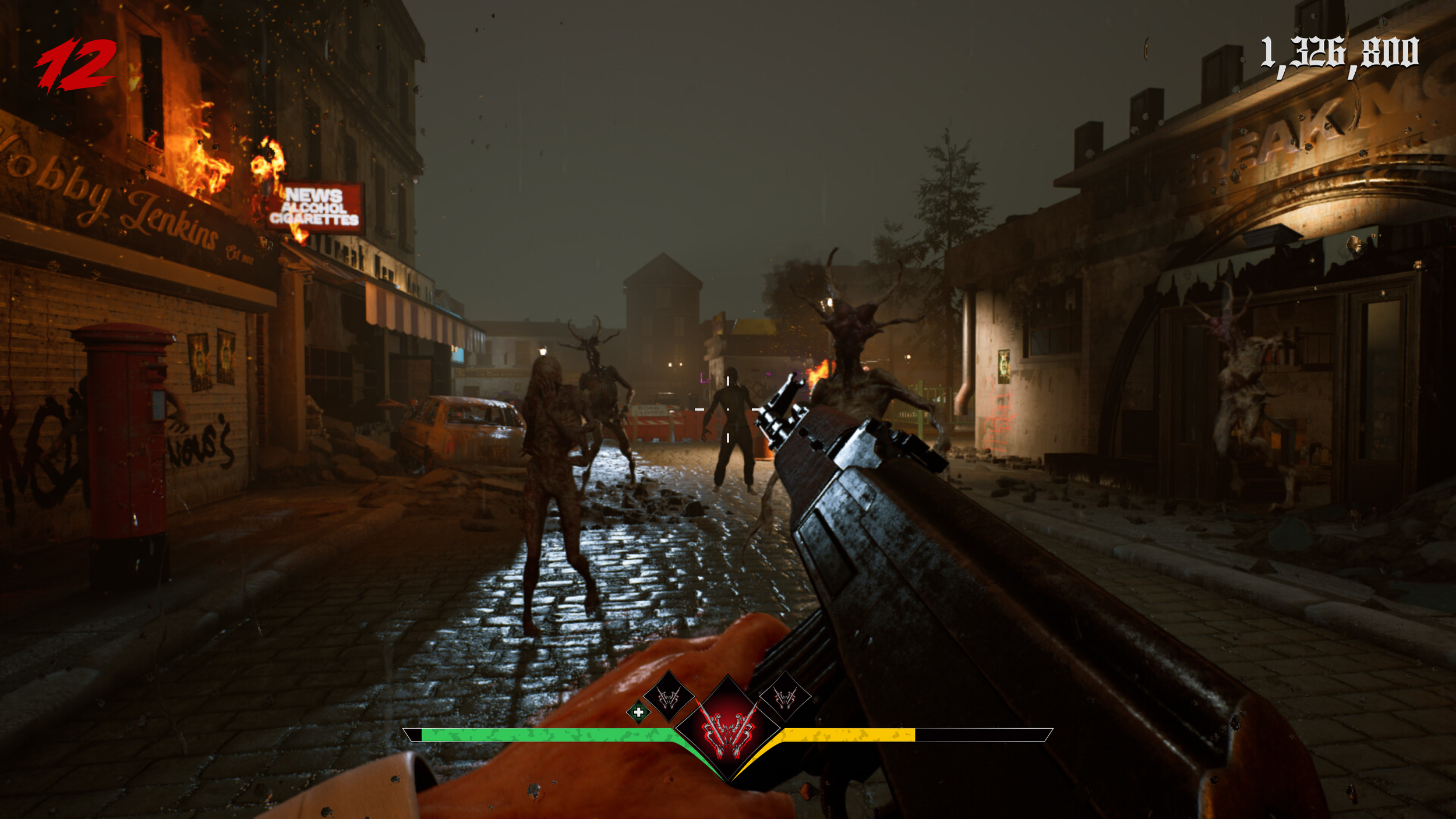
Concept B - Alternate HUD layout exploring a different visual arrangement.
Design Refinement
Following the selection of the initial HUD concept, I incorporated client feedback to refine several interface elements.
The original finger icon was reintroduced as the score indicator, restoring a recognizable element from the game's existing HUD. I also explored an alternative mutation icon after the initial design was not approved.
Additionally, the weapon display was simplified to show only the currently equipped weapon rather than the player's entire inventory, reducing visual clutter and prioritizing information relevant to active gameplay.
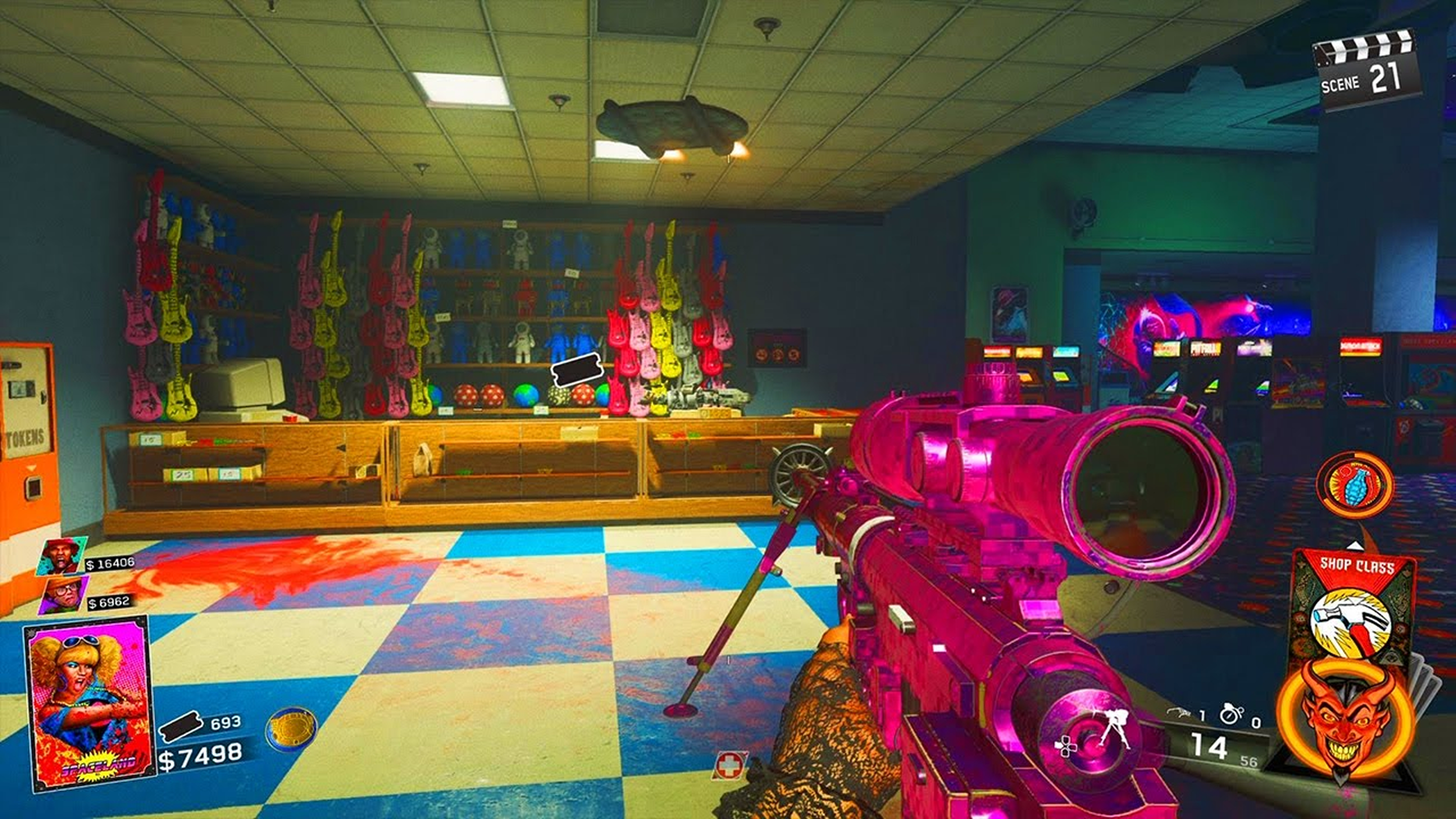
Client-provided reference: Infinite Warfare Zombies. The HUD's organization & circular indicators informed the exploration of a new layout for Malignant.

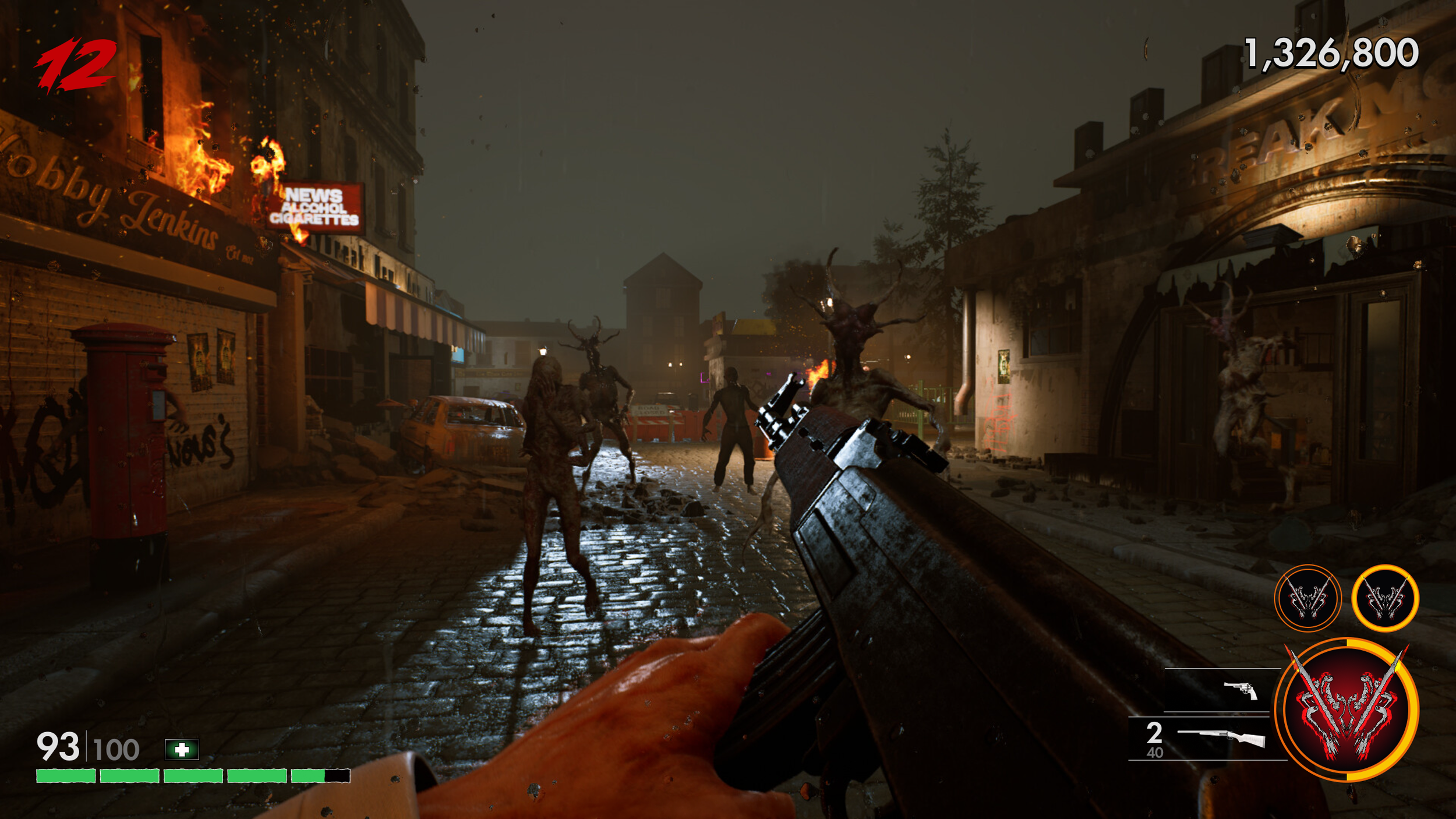
Concept A - Reference-inspired HUD layout preferred by the client and selected for further development.

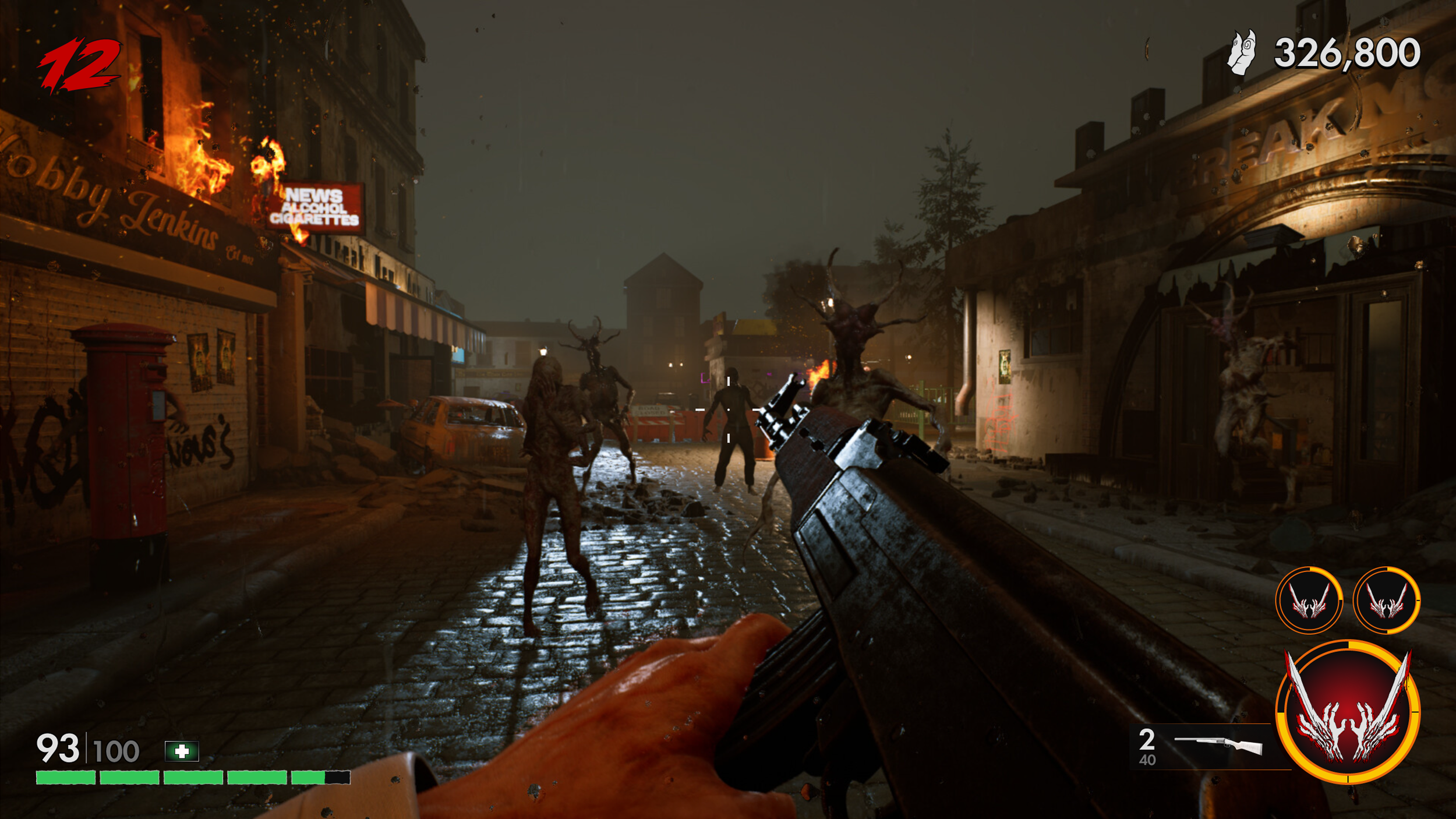
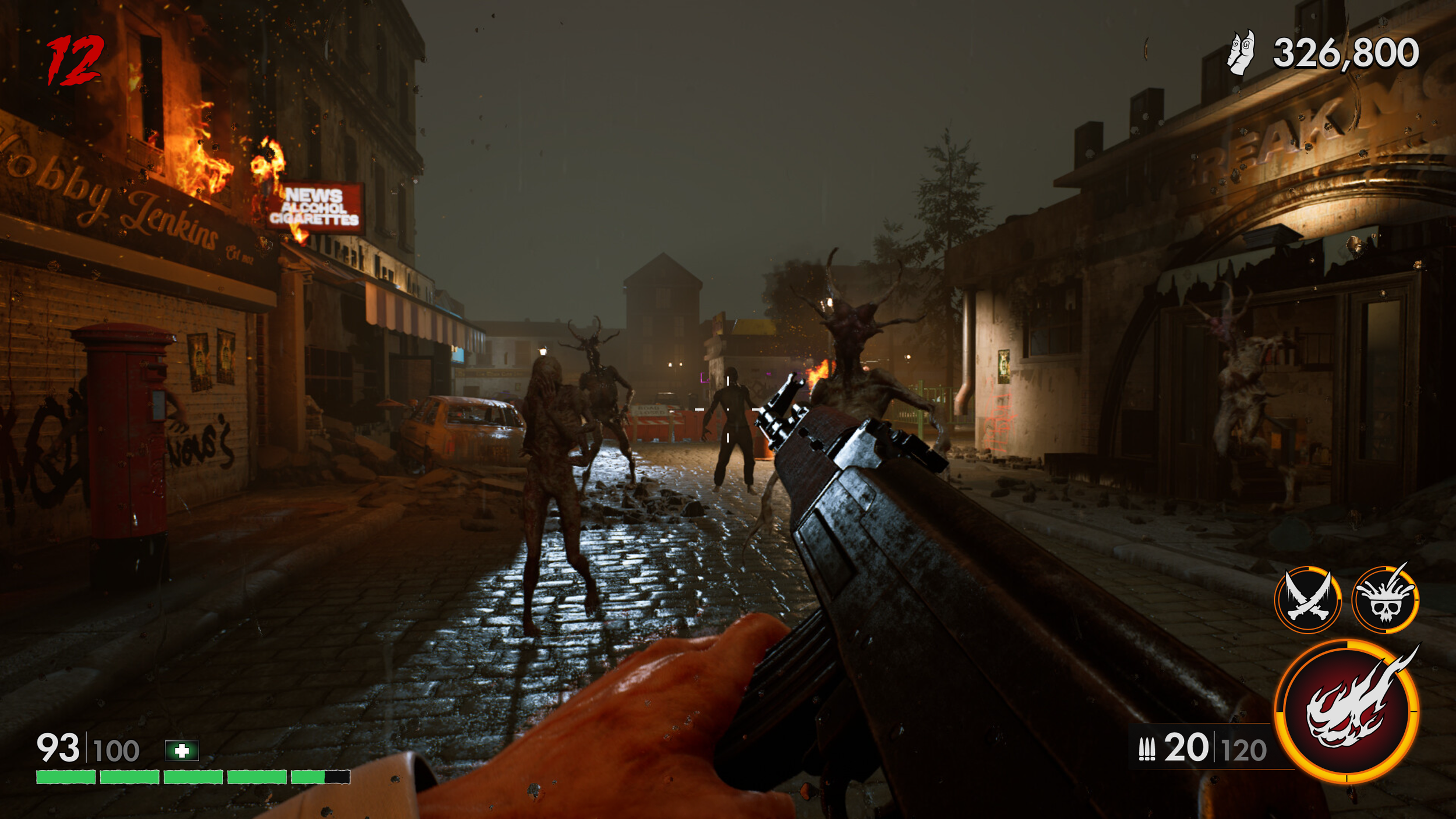
Final Design & Approval
The final iteration focused on establishing a cohesive visual style, simplifying the interface, and preparing the HUD for future expansion.
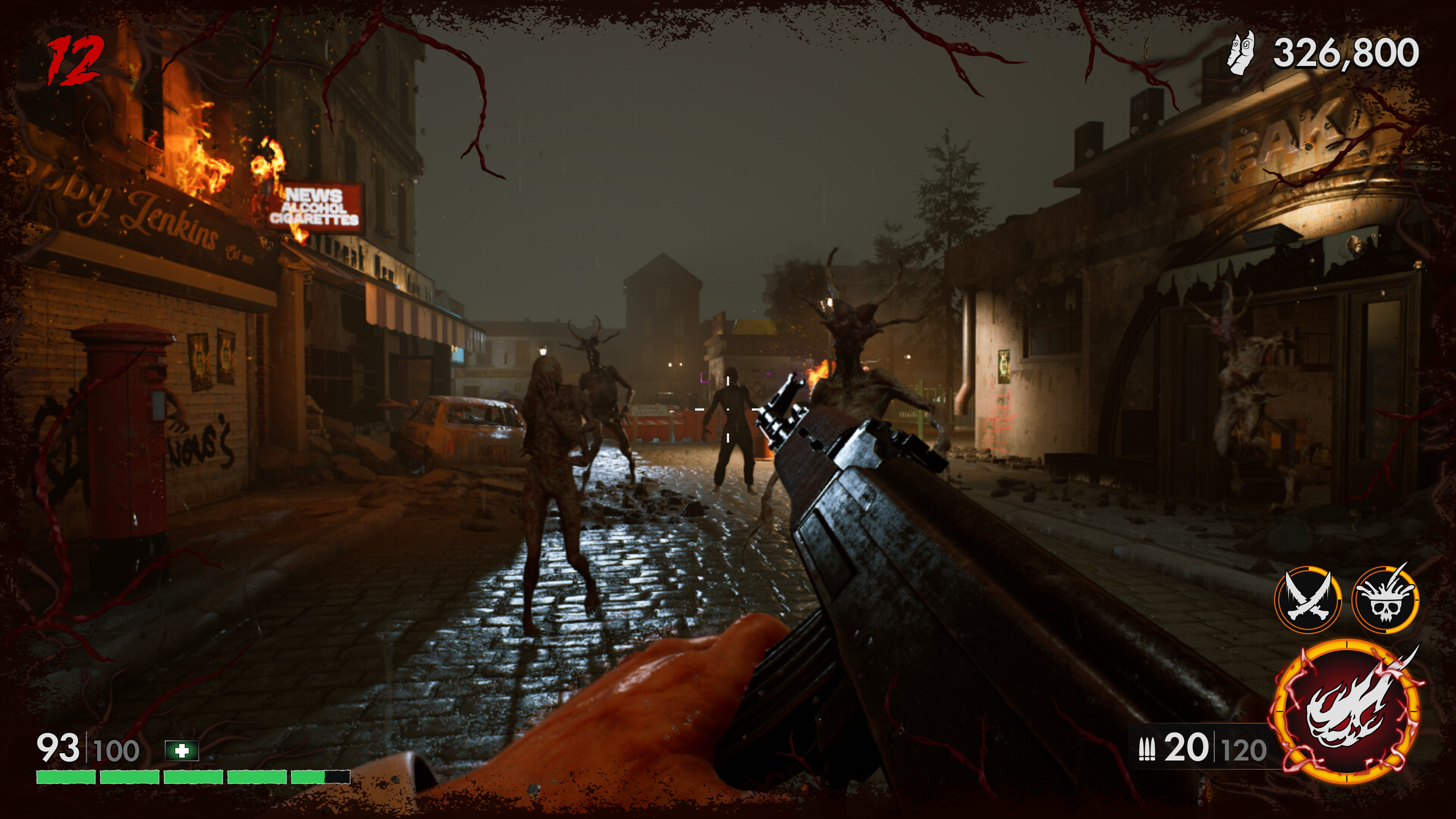
I refined all three existing mutation icons and created two additional icons, establishing a consistent visual language across all five abilities. The score's finger icon was also redesigned to match the updated iconography, while the round number received a typography update.
The weapon display was further simplified into a universal ammunition counter, eliminating the need to create individual UI assets for every weapon in the game, including future additions.
Following these refinements, the completed human-form HUD received final client approval.
04. BEFORE & AFTER
A More Cohesive Player Interface
The redesigned human-form HUD brings together essential gameplay information through a more consistent visual style and clearer information hierarchy.
The updated layout and interface elements were developed to support readability during combat while maintaining the game's dark atmosphere.

05. HUD ASSET BREAKDOWN
Building a Cohesive Visual Language
Beyond the overall HUD layout, the redesign involved refining individual interface elements to create a more unified visual experience.
Existing HUD assets were updated to improve readability, consistency, and visual clarity, while additional icons and supporting graphics were created to complement the updated interface.
Redesigned Elements
Existing HUD components were refined to establish a cohesive appearance across gameplay indicators, status displays, and ability icons.
New Interface Elements
New icons and supporting graphics were developed to expand the HUD's visual language while remaining consistent with the game's horror aesthetic.
Alternate HUD layout
Chosen for further development

06. Project Outcome
From Concept to Client Approval
The human-form HUD redesign was successfully completed and delivered following multiple rounds of client feedback and revisions.
The final design received client approval, meeting the objectives established for the project's initial phase.
This project strengthened my experience designing interfaces for dynamic gameplay systems, refining visual assets, and collaborating directly with game developers to deliver production-focused UI solutions.